
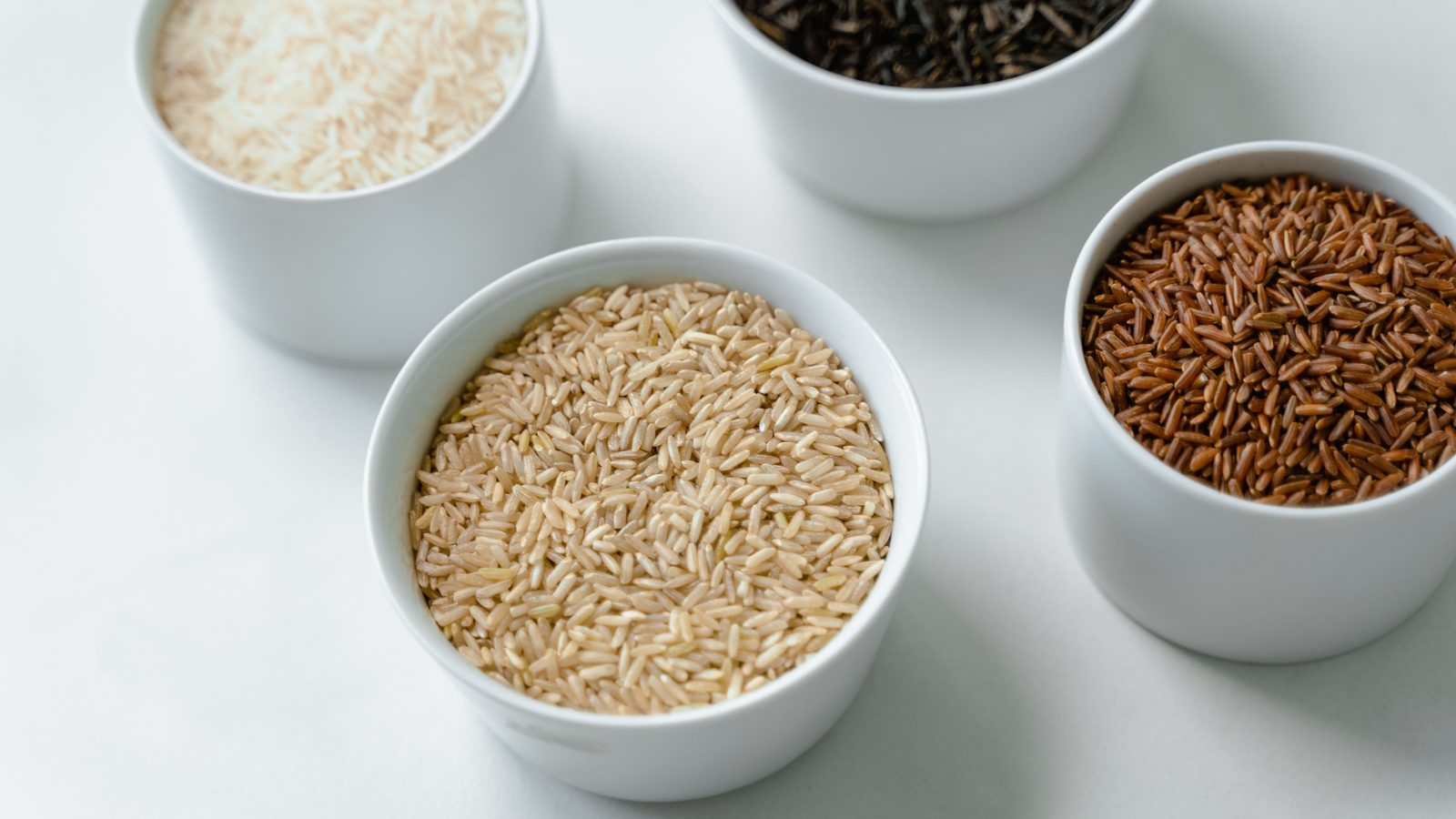
Quick answer: Rice water for skin can feel soothing and may leave skin a little softer, and it’s cheap to try. But the scientific evidence is thin, mostly small lab and short studies. It won’t remove pigmentation or acne on its own. If you want to try it, use fresh rice water as a rinse or toner, keep it in the fridge for no more than a couple of days and patch-test first.
Key takeaways
- Rice water is a gentle, low-cost extra, not a treatment.
- Strong evidence for brightening or anti-ageing is lacking.
- Fermented or old rice water can grow bacteria and irritate skin.
- Proven ingredients like niacinamide, sunscreen and ceramides do more.
Rice Water for Skin: Why Everyone’s Talking About It
Rice water is the cloudy water left after soaking or boiling rice. It’s been used in parts of East Asia as a beauty rinse for a long time, and Instagram has made it popular in India too. Videos promise glass skin, fading dark spots and tighter pores.
So is rice water for skin worth it, or just a pretty trend? The honest answer sits in the middle. It’s safe for most people when used fresh, and it may help with softness and a soothing feel. It’s not a miracle.
In this article, you’ll learn:
- What rice water contains
- What the evidence actually says
- How to make it safely
- Who should skip it
- How it compares with proven ingredients
What’s in Rice Water?
Rice water picks up some of the starch, small amounts of amino acids, vitamins and minerals, and plant compounds from the grain. Some skincare brands also use rice-derived ingredients, like rice bran extract or rice ferment filtrate, in formulated products.
| Component | What it may do | How strong is the evidence? |
|---|---|---|
| Starch | Forms a light film, soothing feel | Weak, mostly traditional use |
| Inositol and other compounds | Studied for skin in lab settings | Limited |
| Ferulic acid (in rice bran) | Antioxidant | Studied mostly in formulated products |
| Fermented rice extracts | Used by brands for “glow” claims | Mostly small or company-funded studies |
The key point: a homemade rinse is not the same as a lab-made product with a measured, stable amount of an ingredient.
What Rice Water for Skin Can and Can’t Do
What it may do:
- Leave skin feeling soft and calm after cleansing
- Act as a gentle, low-cost toner step
- Feel cooling on mildly irritated skin
What it can’t do (despite viral claims):
- Remove tan or melasma
- Clear acne
- Shrink pores permanently
- Replace sunscreen or a moisturiser
If pigmentation or acne is your main concern, sunscreen every day and proven actives give much better results. Our skin cycling plan for Indian skin shows how to use them without irritation.
How to Make Rice Water Safely
There are two common ways. Both use clean, rinsed rice and filtered or boiled-and-cooled water.
| Method | How | Best for |
|---|---|---|
| Soaked | Rinse ½ cup rice once to remove dust. Soak in 1 cup clean water for 30 minutes. Swirl and strain. | Quick, gentle toner |
| Boiled | Boil ½ cup rice in 2 cups water, strain off the starchy water, let it cool fully. | Thicker, more starch |
How to use:
- Cleanse your face as usual.
- Dab rice water on with a clean cotton pad, or splash it on.
- Leave for 1–2 minutes, then rinse or follow with moisturiser.
- Use 2–3 times a week to start.
Storage: keep it in a clean, closed bottle in the fridge and throw it away after 2–3 days, or sooner if it smells sour.
The Fermentation Question
Some videos suggest fermenting rice water at room temperature for 1–2 days. Fermentation changes its acidity, and some people find it gives more “glow”. But it also gives bacteria and yeast a place to grow, and you can’t control what grows in a home kitchen. Sour-smelling rice water can irritate skin or trigger breakouts, especially on acne-prone or sensitive skin.
If you want the “fermented rice” idea, a properly formulated product made under controlled conditions is a safer bet than a jar on your counter.
Who Should Skip Rice Water for Skin?
- People with active eczema or very broken skin
- Anyone with a known rice allergy
- Very acne-prone skin that reacts to heavy, starchy products
- Anyone whose skin stings or turns red after a patch test
Patch-test first. The American Academy of Dermatology’s patch test guide suggests applying a new product to a small area, like the inner arm, twice a day for 7–10 days and watching for a reaction.
Rice Water for Skin vs Rice in Skincare Products
You’ll see “rice” on many Indian and Korean skincare labels: rice toners, rice bran oils, rice ferment essences. These aren’t the same as the water from your kitchen. A brand can measure how much of an extract goes in, keep the pH steady and add preservatives so the product doesn’t spoil.
| Homemade rice water | Rice-based product | |
|---|---|---|
| Cost | Almost free | ₹300–1,500, roughly |
| Strength | Varies every batch | Fixed amount |
| Shelf life | 2–3 days in the fridge | Months (check the label) |
| Contamination risk | Higher | Lower, with preservatives |
| Evidence | Mostly traditional use | Some small studies, often brand-funded |
If a rice product suits your skin and budget, that’s fine. Just treat it as a pleasant extra and judge it by how your skin feels after a few weeks, not by the marketing.
Rice Water vs Proven Ingredients
| Goal | Rice water | Better-proven option |
|---|---|---|
| Soft, calm skin | Mild help | Ceramide moisturiser |
| Even tone, dark spots | Little evidence | Niacinamide, vitamin C, daily sunscreen |
| Oil and acne | Little evidence | Salicylic acid, niacinamide |
| Dryness in winter | Mild help | Ceramides, glycerin, a richer cream |
If budget is the reason you’re trying rice water, a basic moisturiser and a broad-spectrum sunscreen give more value per rupee. Our comparison of ceramide moisturiser vs regular helps you choose.
Frequently Asked Questions About Rice Water for Skin
Q: Is rice water good for skin every day?
Fresh rice water is gentle enough for most people a few times a week. Start slow and stop if it irritates.
Q: Can rice water remove dark spots?
There’s no strong evidence that it does. Daily sunscreen and proven ingredients like niacinamide work better.
Q: How long can I store rice water?
Up to 2–3 days in a clean bottle in the fridge. Throw it out if it smells sour.
Q: Is rice water good for oily skin?
It can feel refreshing, but it won’t control oil. Rinse it off if your skin feels heavy afterwards.
The Bottom Line
Rice water for skin is a pleasant, cheap extra, not a fix. Use it fresh, store it cold, patch-test and keep your expectations real. For tan, spots or acne, spend your effort on sunscreen and ingredients with stronger evidence.
Save this guide, share it with a friend who’s about to start a rice water routine, and follow SkincareWala.in on WhatsApp for more honest ingredient explainers. For more on safe home care, see the Mayo Clinic’s skin care basics.
This article is for general information and isn’t medical advice.