
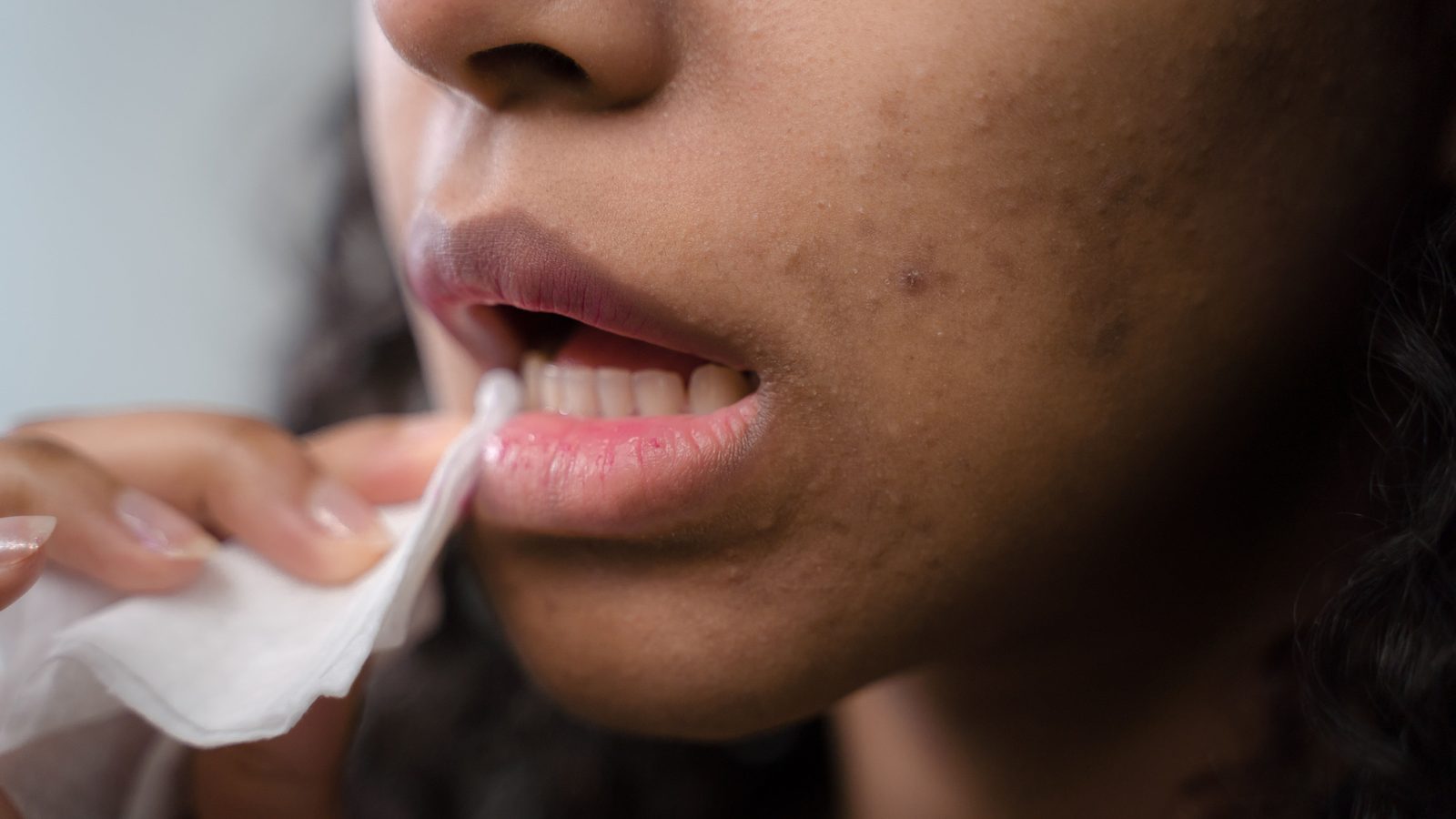
Quick answer: Dark lips are often just your natural lip colour, which is common in brown Indian skin and doesn’t need fixing. Darkening that’s new or patchy usually comes from sun, smoking, constant lip licking or an allergy to a lip product or toothpaste. Those causes can fade once you remove the trigger and protect your lips with an SPF lip balm. A single spot that changes, grows or bleeds needs a dermatologist.
Key takeaways
- Lip colour varies a lot from person to person. Darker lips in darker skin are normal.
- Irritation from licking, peeling or eczema can leave darker patches, and these last longer in brown skin.
- Lipsticks, lip products and toothpaste are the most common causes of lip allergy, and one rare type leaves pigment behind.
- An SPF lip balm, quitting smoking and stopping the trigger help more than any lightening scrub.
In this article, you’ll learn:
- How to tell natural lip colour from darkening
- Six common causes of dark lips
- Which causes fade and which don’t
- What actually helps, and what’s mostly hype
- When a dark spot on the lip needs a doctor
Natural Lip Colour or Dark Lips That Changed?
Start with one question: have your lips always been this shade, or did they change?
Lips have melanin, the same pigment that colours your skin. If you have medium or deep brown skin, your lips are likely to be darker or uneven too, sometimes with a darker outer edge. That’s genetics. No balm or home remedy will change it permanently, and you don’t need to try.
Darkening that’s new, patchy or limited to one area is different. That usually has a cause, and it’s often one you can do something about.
6 Common Causes of Dark Lips
1. Sun exposure
Lips get a lot of sun and almost never get sunscreen. DermNet’s page on actinic cheilitis explains that lip skin is thinner and less pigmented than the rest of your face, which makes it easy to damage with years of sun. Serious sun damage to the lips is far more common in fair skin, but sun can still deepen patches and spots on brown lips. DermNet also notes that flat brown lip spots called melanotic macules are thought to be triggered by sun.
2. Lip licking, peeling and picking
Each time you lick, bite or peel your lips, you irritate them. When skin is inflamed again and again, it can make extra pigment. DermNet’s guide to post-inflammatory hyperpigmentation says this darkening is more common in darker skin, where it tends to be deeper and to last longer. Winter makes it worse, because dry, cracked lips tempt you to lick and pick.
3. An allergy to a lip product or toothpaste
If your lips are dry, itchy, scaly or burning and nothing seems to help, think allergy. According to DermNet’s page on allergic contact cheilitis, lip cosmetics are the most common source in women and toothpaste in men. Fragrances and flavourings are frequent culprits. There’s also an uncommon pigmented type, where darkening stays behind after the itchy rash settles.
If this started after a new lipstick, lip tint, flavoured balm or toothpaste, stop it for a few weeks and see.
4. Smoking
Tobacco smoke can darken the mouth’s lining. Most research looks at the gums rather than the lips. A Japanese study of 263 dental patients, published in 2016, found that dark gum pigmentation fell after people quit smoking, and fell more the longer they’d quit. You can read the smoking and gum pigmentation study on PubMed Central. Lips are less studied, but quitting is the step that gives any smoking-related darkening a chance to fade.
5. Dry, chapped lips that never fully heal
Lips that stay chapped for weeks look darker and duller. Part of that is flaky, dead skin sitting on top. Part can be irritation-related darkening underneath. Healing the dryness first often makes the lips look more even.
6. Dark spots on the lip
A single, flat, brown or black spot, often on the lower lip, is usually a melanotic macule. DermNet calls these harmless. But several spots on the lips and inside the mouth can occasionally be linked to medical conditions, and a spot that changes needs checking to rule out melanoma, which is rare on the lip but possible.
| Cause | Will it fade? | What helps most |
|---|---|---|
| Natural lip colour | No, and it doesn’t need to | Nothing; it’s your shade |
| Sun exposure | Partly, over time | SPF lip balm every day |
| Licking, peeling, picking | Usually, slowly | Stop the habit, keep lips moisturised |
| Allergy to lip product or toothpaste | Often, after the trigger stops | Stop the product, see a dermatologist for a patch test |
| Smoking | Often, after quitting | Quit tobacco |
| Single brown spot | Usually stays | Watch it; see a doctor if it changes |
What Actually Helps Dark Lips
Wear lip SPF. A lip balm with SPF, reapplied after eating and drinking, is the most useful thing on this list. DermNet recommends sunscreen lip balm applied often for lip sun protection. For darker patches anywhere, DermNet advises daily broad-spectrum sun protection to stop them getting darker.
Break the licking habit. Keep a plain balm in your bag and use it instead of licking. Saliva dries off fast and leaves lips drier.
Go fragrance-free for a month. Switch to an unflavoured, unscented balm or plain petroleum jelly. If your lips settle, a flavoured product may have been the problem.
Don’t scrub hard. Rough sugar scrubs, lemon juice and baking soda can irritate lips. More irritation can mean more darkening, not less.
See a dermatologist for stubborn patches. For true pigmentation, a dermatologist may suggest prescription creams or procedures. DermNet notes that lasers and peels can help some pigment but can also make it worse by injuring the skin, so these aren’t DIY jobs.
When to See a Doctor About Dark Lips
Book a dermatologist visit if:
- A dark spot on your lip is growing, changing colour or shape, or has an uneven edge
- A spot bleeds, crusts or forms a sore that doesn’t heal in a few weeks
- You have several new dark spots on your lips and inside your mouth
- Your lips stay itchy, scaly or swollen despite gentle care
- Darkening started after a new medicine
Tan on your face is a separate issue. Our guide on removing tan from your face covers that.
Frequently Asked Questions About Dark Lips
Q: Are dark lips normal in Indian skin?
Yes. Lips carry melanin like the rest of your skin, so people with brown skin often have darker or two-toned lips. If your lips have always looked this way, it’s your natural colour.
Q: Can lip balm lighten dark lips?
A balm won’t change your natural shade. An SPF lip balm can stop sun from darkening your lips further, and healing dryness can make them look more even.
Q: Do dark lips from smoking go away after quitting?
Often they fade. Research on gums shows smoking-related pigmentation drops after people quit, and more so the longer they stay off tobacco. Lips are studied less, but quitting gives them the best chance.
Q: Can lipstick cause dark lips?
It can, though not often. Some people are allergic to ingredients in lipstick, especially fragrance, and one uncommon type of allergy leaves darker patches behind. A dermatologist can patch test to find the cause.
The Bottom Line
Dark lips aren’t always a problem. If it’s your natural shade, leave it be. If the darkening is new or patchy, look for the trigger: sun, smoking, lip licking or a product your lips don’t like. Protect them with an SPF balm, keep them moist and skip the harsh scrubs. Any spot that changes deserves a dermatologist’s eyes.
Save this guide, share it with a friend who’s tried every lip scrub on the market, and follow SkincareWala.in on WhatsApp for simple, honest skincare tips.
This article is for general information and isn’t medical advice.