
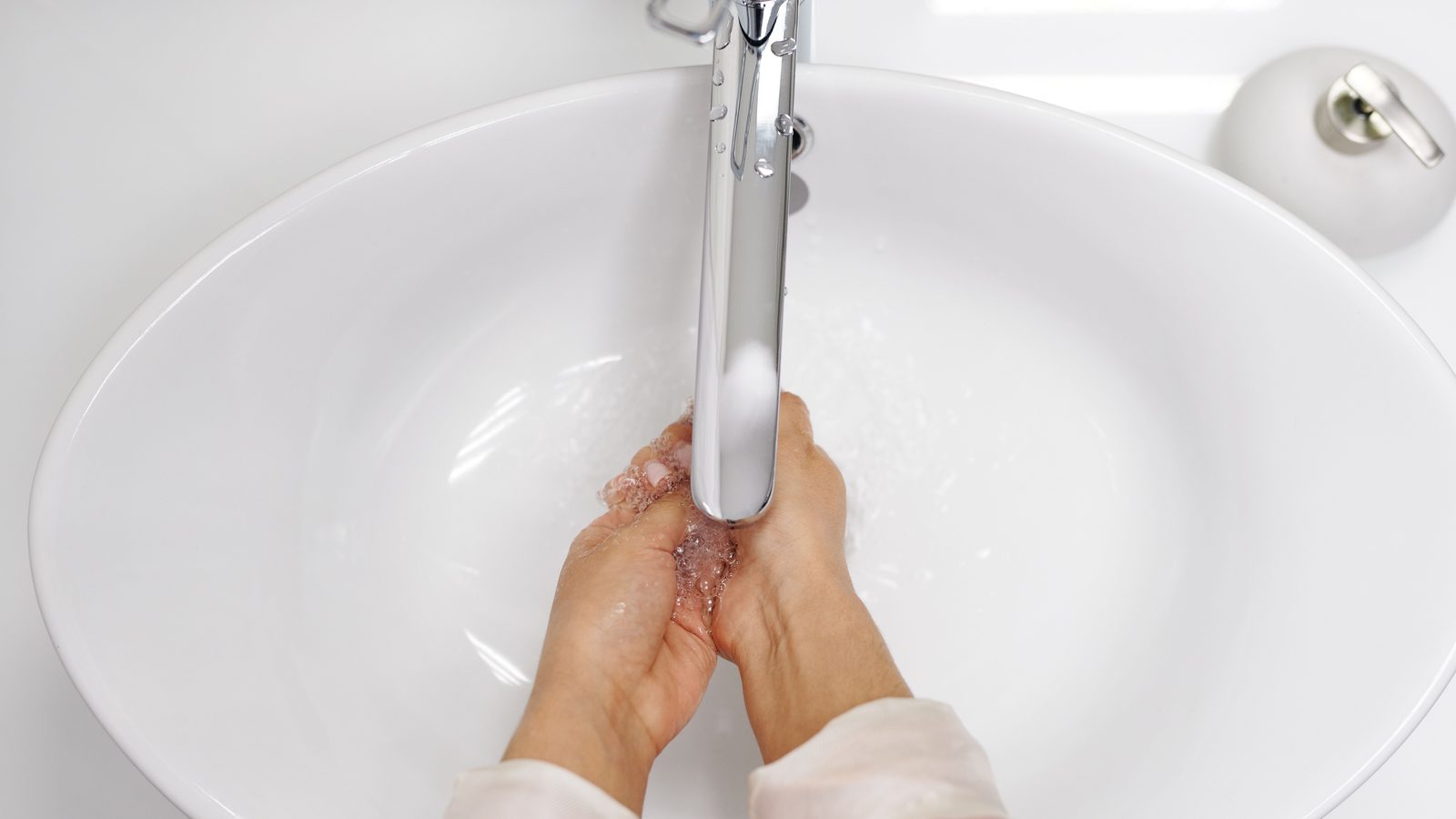
Quick answer: Hard water skin problems are real but often overstated. Lab research shows the calcium and magnesium in hard water can make soap residue stick to skin and weaken its barrier, especially in people with eczema. But a large trial in children found water softeners didn’t improve eczema beyond normal care. For most people, a gentle soap-free cleanser, shorter lukewarm baths and moisturiser right after bathing help more than a shower filter.
Key takeaways
- Hard water has a lot of dissolved calcium and magnesium. India’s drinking water standard (BIS IS 10500) sets an acceptable hardness limit of 200 mg/L.
- A 2017 lab study linked hard water to skin barrier damage and more irritation from soap. It was funded by a water softener company.
- A 2011 trial of 336 children found water softeners gave no extra benefit for eczema over usual care.
- Many small shower filters mainly target chlorine, not hardness. Check the box before you buy.
In this article, you’ll learn:
- What hard water is and how to tell if you have it
- What the research says about hard water and skin
- Whether shower filters and softeners are worth the money
- Six simple fixes for dry, tight skin after bathing
- When to see a dermatologist
What Is Hard Water?
To understand hard water skin issues, start with the water. It picks up minerals as it passes through rock and soil. When it carries a lot of calcium and magnesium, it’s called hard water. Homes that rely on borewells or groundwater often get harder water than those on treated river supply, though it varies a lot from street to street.
The Bureau of Indian Standards’ drinking water standard, IS 10500:2012, sets an acceptable limit of 200 mg/L for total hardness. Up to 600 mg/L is allowed only when there’s no other source. Above that, water isn’t considered fit for drinking.
You probably have hard water if you notice:
- White, chalky scale on taps, shower heads, buckets and kettles
- Soap and shampoo that don’t lather easily
- A filmy feeling on skin after bathing
- Spots on steel utensils after washing
A TDS meter isn’t the right test. It measures all dissolved solids, not hardness alone. Hardness test strips or a lab test give a clearer answer.
What Hard Water Does to Skin
Most hard water skin research comes from the UK, where hard water is common. In 2017, researchers from King’s College London and the University of Sheffield published a lab study in the Journal of Investigative Dermatology. According to King’s College London’s summary:
- Calcium and magnesium in hard water bind to cleansing agents like SLS and SLES, the foaming ingredients in many soaps. These then settle on the skin instead of rinsing away.
- Hard water can also raise the skin’s surface pH, which weakens its protective barrier.
- People with eczema, especially those with filaggrin gene changes that already weaken the barrier, were much more sensitive to these effects.
- Using an ion-exchange water softener reduced the harmful effects of the cleansing agents.
Two things to keep in mind. This was a lab study of skin responses, not a trial of people’s symptoms over months. And it was funded by a water softener company. The findings make sense, but they don’t prove a softener will fix your skin.
Winter makes hard water skin dryness feel worse. Cold, dry air already pulls moisture out of the skin, and hot baths strip natural oils. Hard water may add a little more irritation on top. That’s why skin often feels tighter after a bath in December than in July. Our post on dry patches on the face in winter covers the other common causes.
Hard Water Skin: What Softeners and Filters Really Do
Here’s the evidence on the fixes people spend money on.
The Softened Water Eczema Trial (SWET), published in PLoS Medicine in 2011, tested ion-exchange water softeners in the homes of 336 children with eczema in the UK. After 12 weeks, eczema scores improved by about 20% with a softener and about 22% with usual care alone. The difference wasn’t significant. The authors concluded softeners gave no additional benefit over usual care. You can read the full SWET study online.
A newer pilot trial, called SOFTER, has been testing whether installing a softener around a baby’s birth can help prevent eczema from starting. That question isn’t settled yet.
| Option | What it removes | Approx. cost in India | Evidence for skin |
|---|---|---|---|
| Ion-exchange whole-house softener | Calcium and magnesium (hardness) | Often ₹15,000 and up, plus installation and salt | No benefit for existing eczema in the SWET trial |
| Shower filter (KDF, vitamin C or carbon) | Mainly chlorine; hardness claims vary | Roughly ₹800–₹3,000 | Little direct research on skin |
| Bucket of stored water | Nothing | Free | None |
| Changing your soap and routine | Not water, but cuts residue and irritation | ₹200–₹600 a month | Standard dermatology advice |
The takeaway: a shower filter may make water feel softer or smell less of chlorine, and that’s fine if you like it. But if the box doesn’t clearly say it reduces hardness, and by how much, don’t expect it to change your skin. Spend on a good cleanser and moisturiser first.
6 Fixes for Hard Water Skin That Help
These hard water skin fixes are simple, cheap and match what dermatologists usually advise for dry and eczema-prone skin:
- Switch to a soap-free cleanser. Look for “syndet”, “soap-free” or “pH-balanced” on the label. Skip strong foaming washes with SLS if your skin is sensitive.
- Keep baths lukewarm and short. Five to ten minutes is plenty. Very hot water strips oils, whatever the hardness.
- Rinse well. Spend an extra few seconds rinsing so less soap residue stays behind.
- Pat dry, don’t rub. Use a soft towel and leave the skin slightly damp.
- Moisturise within three minutes. A cream or ointment with ceramides, glycerin or petroleum jelly locks water in. For very dry patches, slugging at night can help too.
- Use less product, not more. A small amount of body wash is enough. Extra foam means extra residue.
For the face, a final splash with filtered or bottled water is a harmless trick if your tap water is very hard. It isn’t proven to help, but it costs little.
The NHS guide to atopic eczema recommends using emollients regularly and avoiding soaps and irritants that trigger flare-ups. That advice works whatever water comes out of your tap.
When to See a Dermatologist
Not every itch is a hard water skin problem, and changing your water won’t fix every dry-skin issue. See a dermatologist if you have:
- Itching that keeps you up at night
- Red, cracked or weeping patches
- Skin that doesn’t improve after 2–3 weeks of the routine above
- Signs of infection like pus, crusting or spreading redness
- A child with eczema that keeps flaring
These can be signs of eczema or another skin condition that needs proper treatment.
Frequently Asked Questions About Hard Water Skin
Q: Can hard water cause pimples?
There’s no good evidence that hard water directly causes acne. Soap residue may irritate some skin, but breakouts usually have other causes like oil, hormones and clogged pores.
Q: Does a shower filter help with hard water skin?
Only if it actually reduces hardness, and many small filters mainly remove chlorine. Even whole-house softeners didn’t improve children’s eczema in the SWET trial.
Q: Is hard water bad for hair too?
Hard water can leave mineral build-up that makes hair feel rough or dull. Research on hair is limited. A clarifying wash now and then and a good conditioner usually help.
Q: Should I bathe with boiled water?
Boiling removes some types of hardness but not all, and it’s a lot of effort for a full bath. A gentle cleanser and moisturiser will do more for your skin.
The Bottom Line
Hard water skin worries aren’t made up. Calcium and magnesium can leave soap residue and weaken the skin barrier, and people with eczema feel it most. But the best trial so far found softeners didn’t beat normal eczema care. Before you buy a filter, fix the routine: soap-free cleanser, short lukewarm baths, quick rinse, and moisturiser on damp skin.
Save this guide for the next time your skin feels tight after a bath, share it with family members dealing with winter itch, and follow SkincareWala.in on WhatsApp for simple, honest skin tips.
This article is for general information and isn’t medical advice.