
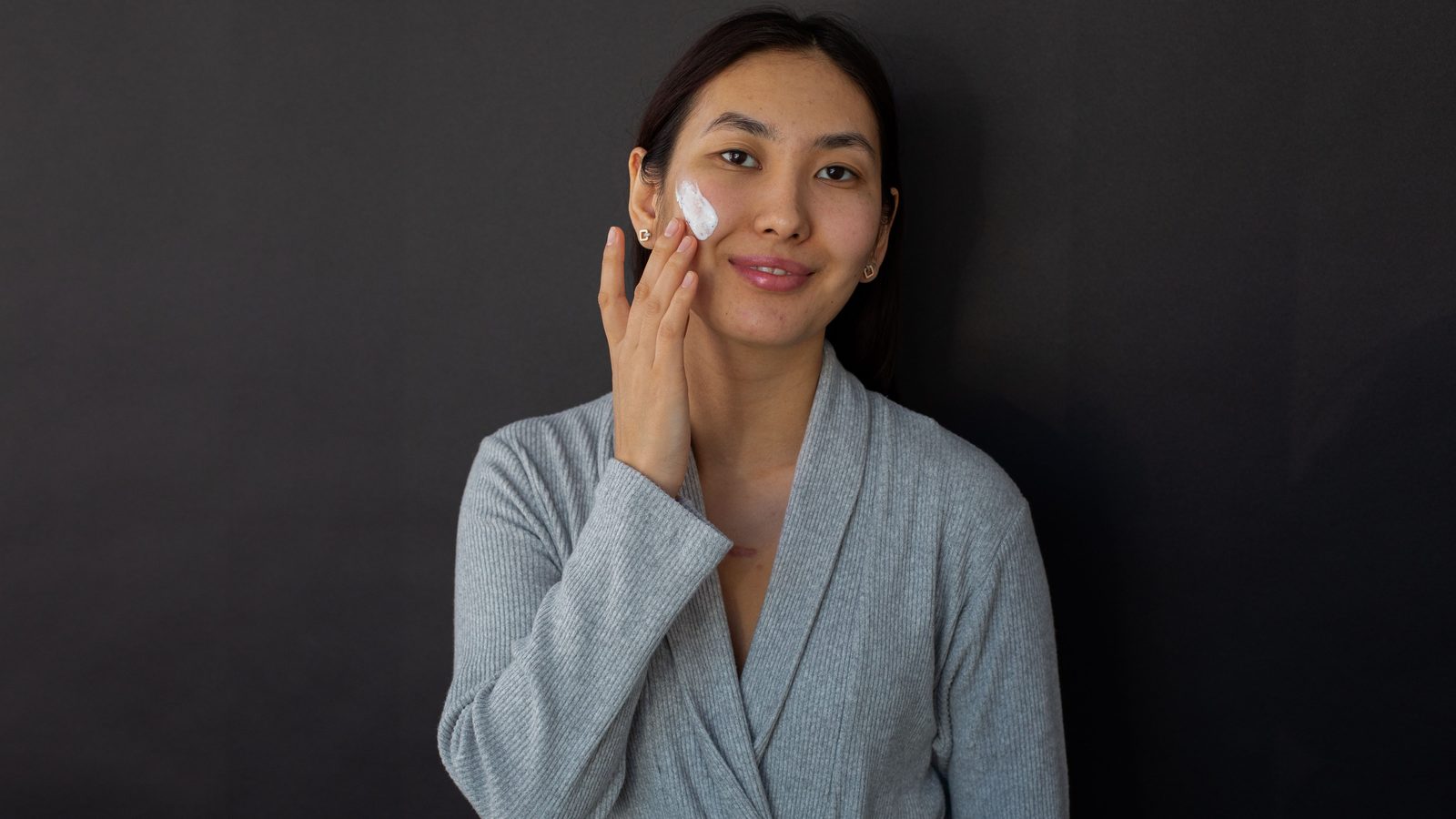
Quick answer: Slugging for dry skin means applying a thin layer of an occlusive like plain petroleum jelly as the last step of your night routine, over a moisturiser, to stop water escaping from your skin overnight. It can help very dry, flaky or tight skin in winter. Skip it if you have oily or acne-prone skin, and don’t slug over strong actives like retinol or AHAs. Start with 2–3 nights a week on clean skin.
Key takeaways
- Slugging seals in moisture; it doesn’t add it, so apply a moisturiser first.
- It suits dry, flaky or barrier-damaged skin best.
- Oily and acne-prone skin can break out, so test on a small area first.
- A pea-sized amount of plain petroleum jelly is enough; you don’t need expensive versions.
What Is Slugging, and Why Is Everyone Talking About It?
The name comes from the shiny, slimy look of your face after you do it, like a slug’s trail. The idea is old. Dermatologists have suggested petroleum jelly for very dry skin for decades. Social media just gave it a catchy name.
In north Indian winters, the air gets dry, heaters come on, and long hot showers feel tempting. Your skin loses water faster than usual, and that’s when you get tightness, flakes and rough patches. Slugging for dry skin works by putting a seal over the top so that water stays in.
In this article, you’ll learn:
- How slugging works
- Who it suits and who should skip it
- How to do it step by step
- Mistakes that cause breakouts
- Cheaper and lighter alternatives
How Slugging for Dry Skin Works
Your skin’s outer layer acts like a wall. When it’s damaged or dry, water evaporates out of it faster. Skin experts call this transepidermal water loss.
Occlusives such as petroleum jelly sit on top of the skin and form a barrier that slows that water loss. The American Academy of Dermatology says ointments and creams are more effective than lotions for dry skin, and lists petrolatum among the ingredients to look for.
What slugging does not do: add water or nutrients. That’s why you put a moisturiser or hydrating serum under it.
Who Should Try Slugging (and Who Shouldn’t)
| Skin type | Slugging? | Why |
|---|---|---|
| Very dry, flaky | Yes | Biggest benefit; seals in moisture |
| Normal, dry in winter | Yes, 2–3 nights a week | Helps on harsh days |
| Barrier damaged (stinging, redness) | Often yes | Protects while skin repairs |
| Combination | Only on dry areas | Skip the T-zone |
| Oily | Usually no | Can feel heavy and clog pores |
| Acne-prone | Be careful | May trigger breakouts in some people |
Petroleum jelly itself is generally considered non-comedogenic. The trouble is what gets trapped under it: leftover makeup, sweat, sunscreen or bacteria on an unwashed face. That’s why acne-prone skin can still break out.
How to Do Slugging for Dry Skin, Step by Step
- Cleanse gently. Use a mild, non-foaming cleanser. Remove all makeup and sunscreen. Our guide to double cleansing in smog season helps here.
- Apply hydration on damp skin. Pat on a hydrating toner or serum if you use one, while skin is still slightly damp.
- Moisturise. Use your usual moisturiser. A ceramide cream works well.
- Seal. Warm a pea-sized amount of plain petroleum jelly between your fingers and press a thin layer over your face. You want a sheen, not a thick coat.
- Protect your pillow. Use an old pillowcase or a soft towel over it.
- Rinse in the morning. Wash with lukewarm water and a gentle cleanser, then go on with your usual morning routine and sunscreen.
Start slugging for dry skin with 2–3 nights a week. If your skin likes it, you can do it more often in the driest weeks. Keep a simple note of how your skin feels each morning: tight, comfortable, or greasy. After two weeks, you’ll know whether slugging suits you or whether a richer night cream is enough on its own.
Slugging Mistakes That Cause Breakouts or Irritation
- Slugging over retinol, AHAs or BHAs. Sealing strong actives can push them deeper and increase irritation. Keep slugging for nights you don’t use actives.
- Using too much. A thick layer smears everywhere and feels greasy. Thin is enough.
- Skipping cleansing. Trapping dirt and sunscreen under an occlusive is asking for clogged pores.
- Doing it in humid weather. In coastal cities or humid months, your skin may not need it at all.
- Using fragranced balms. Plain, unscented petroleum jelly is less likely to irritate.
Slugging vs a Rich Night Cream
| Slugging (moisturiser + petroleum jelly) | Rich night cream alone | |
|---|---|---|
| Cost | Very low (plain petroleum jelly is about ₹50–₹150) | ₹300–₹1,500+ |
| Seal strength | Strongest | Moderate |
| Feel | Greasy, shiny | Comfortable |
| Best for | Very dry, flaky skin | Normal to dry skin |
| Breakout risk | Higher for acne-prone | Lower |
If you hate the greasy feel, a thick ceramide cream may be enough. Our post on ceramide moisturisers vs regular creams compares them.
Lighter Ways to Try Slugging
- Spot slugging: apply petroleum jelly only on dry patches, around the nose, or on the lips.
- Short contact: apply for an hour in the evening, then wipe off before bed.
- Body slugging: use it on cracked heels, elbows or knuckles, where breakouts aren’t a worry. Pull on cotton socks or gloves afterwards so it stays put overnight.
DermNet’s page on emollients and moisturisers explains how occlusives differ from humectants, if you want to dig into what’s in your jar.
Frequently Asked Questions About Slugging for Dry Skin
Q: Is slugging good for Indian skin?
It can help Indian skin that’s dry, flaky or tight in winter. Oily and acne-prone skin types should be careful and patch test first.
Q: Can I use coconut oil instead of petroleum jelly?
Coconut oil is less occlusive and can clog pores for some people. Plain petroleum jelly or a petrolatum-based ointment is the usual choice for slugging.
Q: How often should I slug?
Start with 2–3 nights a week. Increase only if your skin stays clear and feels better.
Q: Can slugging cause pimples?
It can if you have acne-prone skin or don’t cleanse well first. Stop if you notice new bumps and try spot slugging on dry areas only.
The Bottom Line
Slugging for dry skin is a cheap, simple way to lock moisture in on cold, dry winter nights. Moisturise first, seal with a thin layer, and keep it away from strong actives. If you’re oily or acne-prone, stick to dry patches or skip it.
Save this guide for the driest weeks of winter, share it with a friend whose skin feels tight every morning, and follow SkincareWala.in on WhatsApp for more winter skincare tips.
This article is for general information and isn’t medical advice.