
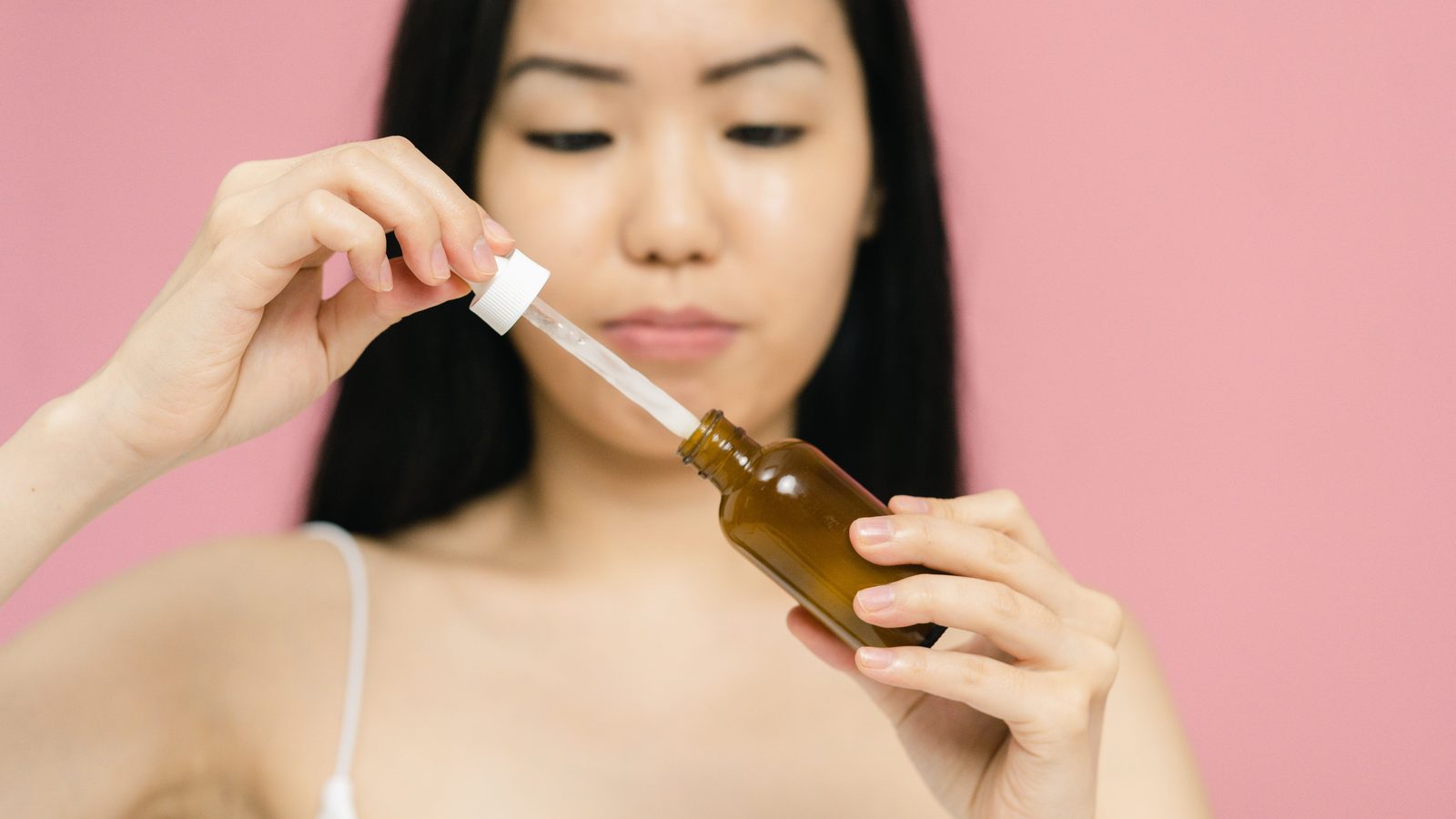
Quick answer: An antioxidant serum can add a layer of defence against the free radicals that pollution and UV light create on skin, but it works alongside cleansing and sunscreen, not instead of them. Vitamin C suits dullness and uneven tone, niacinamide suits oily, acne-prone or sensitive skin, and vitamin E is usually best combined with vitamin C. Apply one in the morning on clean skin, then moisturiser and sunscreen.
Key takeaways
- Pollution and UV create free radicals; antioxidants help neutralise them.
- Vitamin C: dullness and pigmentation. Niacinamide: oil, redness, barrier.
- Vitamin C + E (+ ferulic acid) is a well-studied combination.
- Sunscreen and evening cleansing still do most of the work.
Why Pollution Season Calls for an Antioxidant Serum
From late October, smog settles over much of north India. The WHO lists air pollution as one of the biggest environmental health risks, and while most of the concern is for lungs and heart, skin takes a hit too.
Fine particles and gases settle on skin, and along with UV light they trigger oxidative stress: unstable molecules called free radicals that can damage skin cells and the barrier. Over time that shows up as dullness, uneven tone and irritation.
An antioxidant serum gives your skin extra molecules that neutralise some of those free radicals. It’s a support step. Think of it as an extra helmet strap, not the helmet.
In this article, you’ll learn:
- What an antioxidant serum does (and doesn’t do)
- Vitamin C vs vitamin E vs niacinamide for Indian skin
- How to pick by skin type
- The right order in a pollution-season routine
- Mistakes that waste your money
Vitamin C vs Vitamin E vs Niacinamide: Comparison
| Ingredient | Best for | Common strength | Watch out for |
|---|---|---|---|
| Vitamin C (L-ascorbic acid) | Dullness, uneven tone, dark spots | 10–20% | Can sting; oxidises (turns orange) |
| Vitamin C derivatives | Sensitive skin wanting vitamin C | Varies | Gentler, often less potent |
| Vitamin E (tocopherol) | Dry skin; boosts vitamin C | 0.5–1% in blends | Can feel heavy on oily skin |
| Niacinamide | Oily, acne-prone, redness, barrier | 4–5% (up to 10%) | High % may irritate some |
A review in the Indian Dermatology Online Journal describes topical vitamin C as a potent antioxidant that helps prevent photoageing and treat pigmentation, but notes that it’s unstable and hard to deliver into skin, which is why formulation matters.
Which Antioxidant Serum Suits Your Skin?
- Oily or acne-prone: niacinamide 4–5%. Light, calming, helps with oil and marks.
- Dull, uneven tone, tanning: vitamin C (start at 10% or with a derivative).
- Dry or mature: vitamin C + E blend, followed by a richer moisturiser.
- Sensitive: niacinamide at low strength, or a gentle vitamin C derivative. Patch test first.
Not sure which to choose between the two big names? Our niacinamide vs vitamin C guide explains how to use both.
How to Use an Antioxidant Serum in Smog Season
| Step | Morning | Night |
|---|---|---|
| 1 | Gentle cleanser | Cleanser (double cleanse if wearing sunscreen/makeup) |
| 2 | Antioxidant serum (vitamin C or niacinamide) | Niacinamide or nothing |
| 3 | Moisturiser | Moisturiser |
| 4 | Sunscreen SPF 30+ | — |
Morning is the best time for an antioxidant serum because that’s when you face sun and outdoor air. At night, the job is to remove the day’s grime properly. Our guide to double cleansing in smog season explains when that’s worth doing.
Mistakes That Waste Your Serum
- Using an oxidised vitamin C. If it has turned dark orange or brown, it’s past its best.
- Storing it in a hot, bright bathroom. Keep it cool, capped and away from sunlight.
- Layering three serums at once. More actives = more irritation, not more protection.
- Skipping sunscreen. No serum replaces it.
- Giving up after a week. Give any antioxidant serum 8–12 weeks.
Do You Even Need an Antioxidant Serum?
Honestly, not everyone does. If your budget is tight, the order of priority in pollution season is:
- Sunscreen every morning
- Proper cleansing every night
- A good moisturiser for your barrier
- Then an antioxidant serum
If those first three are in place and you want more, a serum is a reasonable next step. People who commute by two-wheeler, walk in traffic or spend long hours outdoors in smoggy cities may notice the most benefit.
How to Read an Antioxidant Serum Label
Labels can be confusing. A few things worth checking before you buy:
- The form of vitamin C. “L-ascorbic acid” is the most studied form but the least stable. Names like sodium ascorbyl phosphate, magnesium ascorbyl phosphate or ascorbyl glucoside are gentler derivatives.
- Packaging. Opaque or amber bottles, airless pumps or small sizes protect the formula from light and air.
- Percentage. Higher isn’t always better. Many people do well at 10–15% vitamin C or 4–5% niacinamide.
- Fragrance. Added fragrance and essential oils can irritate sensitive skin, especially in winter.
- Manufacturing and expiry dates. Fresher is better for vitamin C.
Budget Picks vs Premium: Does Price Matter?
Price doesn’t decide how well an antioxidant serum works. Formula, stability and how consistently you use it matter more. A modest niacinamide serum used every day beats a costly vitamin C you use twice a week and let oxidise on a sunny shelf.
| Budget | Sensible choice |
|---|---|
| Under ₹500 | Niacinamide 5% serum, plus sunscreen |
| ₹500–1,000 | Vitamin C derivative or 10% vitamin C in good packaging |
| Over ₹1,000 | Vitamin C + E + ferulic blends, if your skin tolerates them |
These are rough price bands seen in Indian stores, not recommendations for specific brands.
Signs Your Antioxidant Serum Isn’t Suiting You
Stop and switch to a gentler option if you notice stinging that lasts more than a minute, redness that doesn’t settle, small bumps or peeling. Patch test new serums on the side of your neck or jaw for a few days first, especially in winter when the barrier is weaker.
Frequently Asked Questions About Antioxidant Serum Use
Q: Can I use vitamin C and niacinamide together?
Yes, most people can. If your skin stings, use vitamin C in the morning and niacinamide at night.
Q: Does an antioxidant serum replace sunscreen?
No. It adds support; sunscreen is still essential.
Q: How do I know if my vitamin C serum has gone bad?
If it has turned dark orange or brown, or smells off, replace it.
Q: When will I see results?
Usually in 8–12 weeks of daily use, mostly as brighter, more even skin.
The Bottom Line
An antioxidant serum is a useful extra in smog season: vitamin C for dullness, niacinamide for oil and redness, vitamin E to support vitamin C. Use one in the morning under sunscreen, cleanse well at night, and keep your routine simple.
Save this guide, share it with friends in smoggy cities, and follow SkincareWala.in on WhatsApp for more pollution-season tips.
This article is for general information and isn’t medical advice.