
Quick answer: An ice facial can make your face look less puffy and feel fresher for a few hours, because cold narrows blood vessels for a while. That’s about it. It won’t shrink pores for good, build collagen, or clear acne. If you try it, wrap the ice in a soft cloth, keep it moving, and stop after a minute or two. Skip it if you have rosacea, very dry winter skin or a cold allergy.
Key takeaways
- The best-supported use is short-term relief of morning puffiness, mostly around the eyes.
- Claims about permanent pore shrinking, collagen and “glass skin” don’t have good evidence behind them.
- Never put bare ice straight on your skin, and never hold it in one spot.
- People with rosacea, cold-triggered hives, broken capillaries or a damaged skin barrier should skip it.
In this article, you’ll learn:
- What an ice facial does to your skin
- What it can’t do, whatever the reels say
- A safe 2-minute way to try it
- Who should skip skin icing completely, especially in winter
What Is an Ice Facial?
An ice facial (also called skin icing) means pressing or gliding something very cold over your face. People use ice cubes wrapped in cloth, a bowl of ice water to dunk the face into, a chilled steel spoon, or a frozen ice roller.
It’s been all over Instagram and YouTube for a while now, usually with a promise of “instant glow”, “tiny pores” or “Korean glass skin”. The trend picks up every wedding and festive season, because people want a quick fix before a function.
The idea isn’t new. Cold compresses have been used for swelling for a long time. The question is how much an ice facial really does for your face, and for how long.
What an Ice Facial Does to Your Skin
When cold touches your skin, the small blood vessels under it narrow for a bit. Less blood flow means less fluid sitting in the tissue, so swelling goes down for a short time. That’s why a cold compress helps a bumped knee.
On the face, this shows up in a few ways:
- Less morning puffiness. This is the most believable benefit. Dermatologists often suggest cold compresses for occasional puffy eyes, and the effect is easy to see.
- A fresher look. After the cold, blood rushes back, and your skin can look pinker and more awake for a while.
- A soothing feeling. Cold can take the edge off a hot, angry pimple or a sting after waxing or threading.
- Makeup may sit better for a bit. Some people find a short, gentle icing helps when skin feels hot and puffy before makeup.
All of this is temporary. Most experts agree the effect fades within hours. There’s very little proper research on facial icing, and “glow” is hard to measure. So treat it as a quick trick, not a treatment.
If puffiness and dark circles are your main issue, ice only helps the puffy part. The guide below explains what’s behind dark circles and what helps beyond ice.
What an Ice Facial Can’t Do
Reels oversell skin icing in a few predictable ways.
| Claim you’ll see online | What’s true |
|---|---|
| “Shrinks pores permanently” | Pores may look a little tighter for a short time. Pore size is mostly down to genes, oil and age, and ice doesn’t change that. |
| “Boosts collagen” | No good evidence. Collagen support comes from sunscreen, retinoids and time, not cold. |
| “Cures acne” | It may calm swelling of one pimple for a while. It doesn’t treat the causes of acne. |
| “Gives glass skin” | The glow lasts hours. Healthy, hydrated skin comes from your daily routine. |
| “Removes tan” | No. Tan fades as skin renews, helped by sunscreen and gentle exfoliation. |
| “Detoxes skin” | Skin doesn’t need “detoxing” with ice. |
If you’ve been chasing the glass-skin look, our glass skin vs healthy skin explainer is worth a read. Real glow is mostly about a calm, moisturised barrier.
How to Do an Ice Facial Safely (2 Minutes)
If you want to try it, do it the gentle way.
- Wash your face with a mild cleanser and pat dry. Use clean hands and a clean cloth. The American Academy of Dermatology’s face-washing tips are a good basic guide.
- Wrap 2–3 ice cubes in a soft cotton cloth or a thin handkerchief. Don’t use bare ice. You can also use a chilled steel spoon or an ice roller kept in the fridge or freezer.
- Keep it moving. Glide it over your cheeks, forehead, chin and under the eyes (on the bone, not the eyelid) in slow strokes.
- Stop at 1–2 minutes total, or as soon as your skin feels numb or stings.
- Moisturise straight after. Cold can leave skin feeling tight, especially in winter. Follow with your usual moisturiser and, in the morning, sunscreen.
Do it once in the morning, not five times a day. More isn’t better.
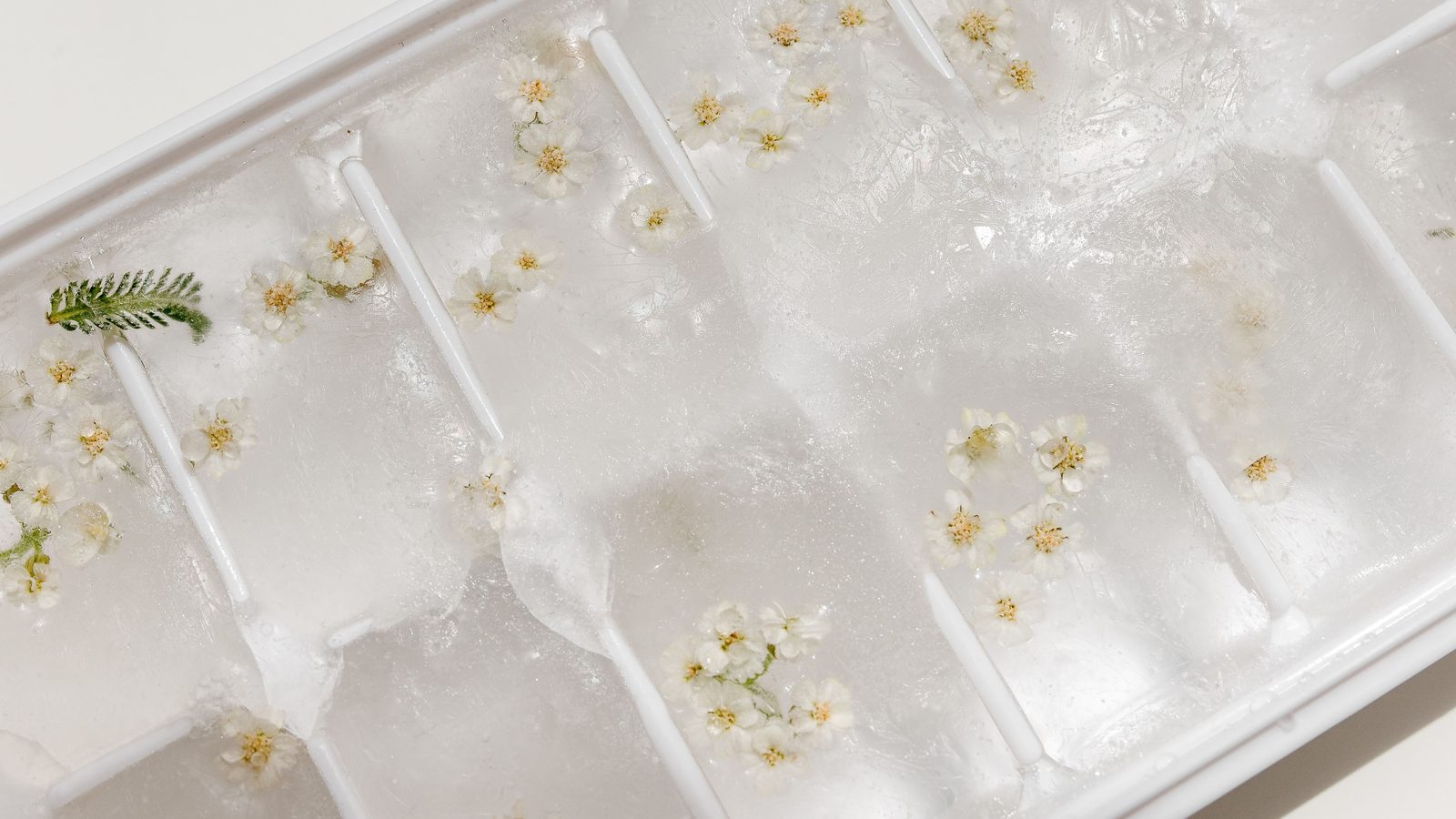
You’ll also see reels with flowers, cucumber or rose water frozen into the cubes. They look pretty, but there’s no proof they do more than plain ice. Anything new on your face is one more thing that could bother sensitive skin, so plain water ice, wrapped in a cloth, is the safer bet.
Ice cube, ice roller or cold spoon?
| Tool | Approx. cost | Pros | Watch out for |
|---|---|---|---|
| Ice cube in cloth | Free | Easy, always there | Can drip; never use unwrapped |
| Chilled steel spoon | Free | Great for under-eyes | Keep it clean |
| Ice roller | ₹200–₹800 | Even pressure, less mess | Clean after every use |
| Ice-water face dip | Free | Quick | Most intense; not for sensitive skin |
A chilled spoon or roller is the gentlest choice for most people. A full ice-water dunk is the harshest and the one dry or sensitive skin should avoid.
Who Should Skip Skin Icing
Cold isn’t kind to every skin. Skip ice facials if any of these apply to you:
- Rosacea. The NHS lists hot or cold temperatures among common rosacea triggers. Icing can set off a flare.
- Cold-triggered hives (cold urticaria). The NHS notes that cold, such as cold water or wind, can trigger hives. If cold makes you itchy or blotchy, don’t ice your face.
- Broken capillaries or very red, reactive skin.
- Very dry, flaky or cracked skin. In Indian winters, many people’s skin barrier is already stressed. Ice can make tightness and flaking worse. Our cracked lips and winter dryness guide covers barrier care for the cold months.
- Open wounds, fresh peels or active eczema.
- Right after strong actives like retinol, AHA peels or a salon facial.
Holding bare ice on skin can cause ice burns. If your skin turns white, stays numb or blisters, stop and get it checked.
Ice Facial for Pimples: Does It Help?
Pimples are one of the most common reasons people reach for ice. A wrapped ice cube held on a swollen pimple for a minute may make it look a little flatter and less red for a while. It won’t stop the next one or clear active acne.
What works better for acne in the long run: a gentle cleanser, an ingredient like salicylic acid or adapalene (with your doctor’s advice), not picking, and sunscreen. If you’ve got a function coming up, our 48-hour pimple plan (linked below) is a better place to start than an ice tray.
Never ice an open, popped pimple. And don’t press hard, since that can push the inflammation deeper.
Frequently Asked Questions About Ice Facials
Q: Is an ice facial good for skin every day?
A short, gentle icing once a day is fine for most normal or oily skin. It isn’t needed, though. If your skin feels tight, dry or red afterwards, stop or cut back.
Q: Does an ice facial reduce pores?
Only for a short time. Pores may look tighter right after, but ice doesn’t change pore size for good.
Q: Can I do an ice facial in winter?
You can, but keep it very short and moisturise straight after. If you have dry, flaky or sensitive skin, winter is a good time to skip it.
Q: Ice facial before or after makeup?
Before, and only for a minute or two. Pat your face dry, wait a few minutes, moisturise, then start your makeup.
The Bottom Line
An ice facial is a nice two-minute trick for a puffy morning or a hot, swollen pimple. It isn’t a treatment, and the glow lasts a few hours, not weeks. Wrap the ice, keep it moving, stop early, and moisturise after. If you have rosacea, very dry winter skin or cold allergies, leave the ice in the freezer.
Save this before you try the next viral icing reel, share it with the friend who dunks their face in ice water every morning, and follow SkincareWala.in on WhatsApp for no-nonsense skin tips.
This article is for general information and isn’t medical advice.