
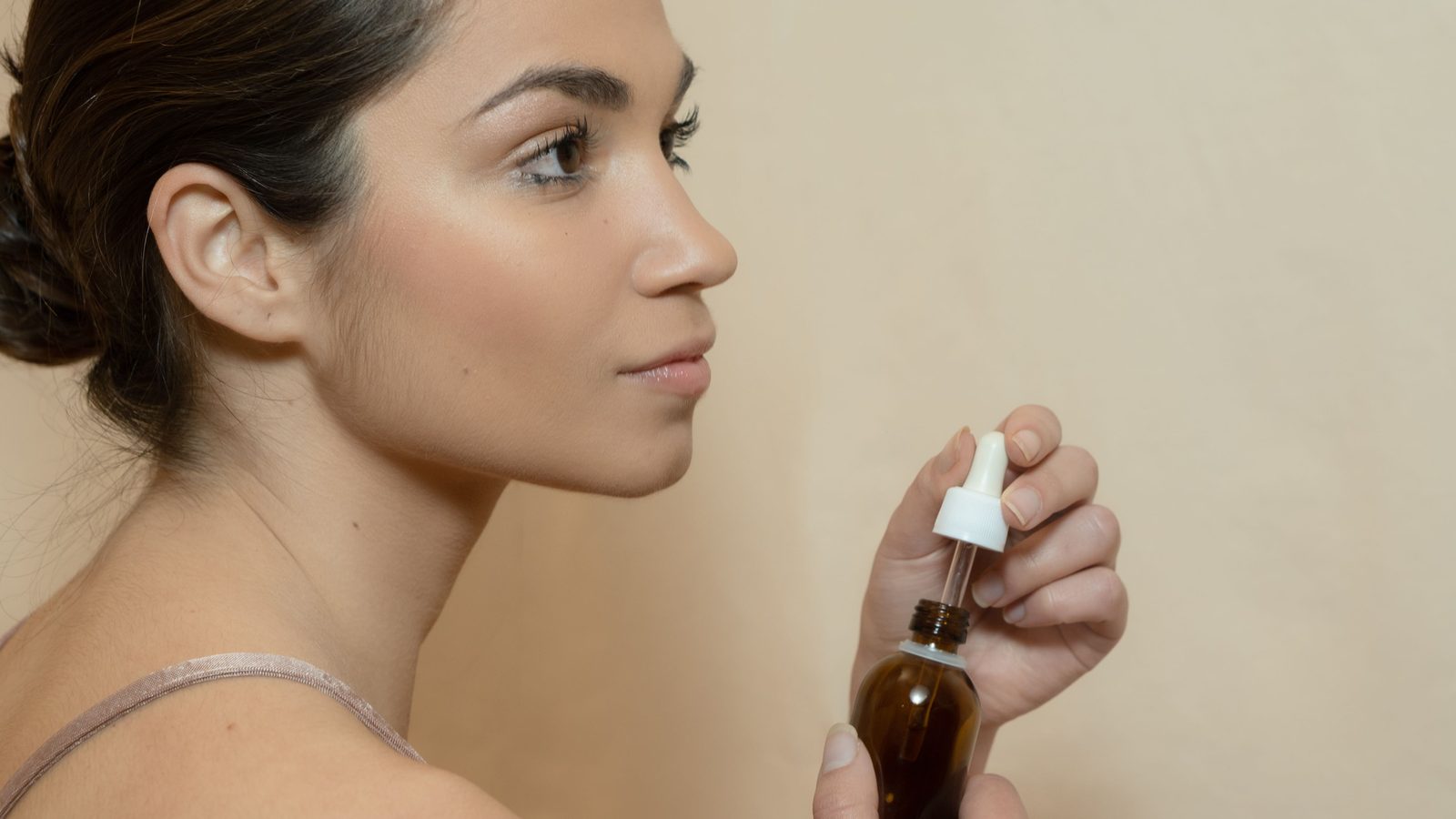
Quick answer: Hyaluronic acid in winter can make skin feel tighter if you apply it on dry skin in dry air and don’t seal it with a moisturiser. It’s a humectant, so it holds water, but it needs water nearby to hold. The fix is simple: apply it on damp skin, follow straight away with a cream (ceramides or an occlusive help), and don’t overdo the layers. Used this way, it’s a helpful, gentle ingredient for most Indian skin types in winter.
Key takeaways
- Hyaluronic acid draws and holds water; it doesn’t seal it in.
- In dry winter air, apply it on damp skin and always follow with a moisturiser.
- More layers or higher percentages aren’t better.
- If your skin still feels tight, switch to a richer cream or add an occlusive at night.
What Hyaluronic Acid Actually Does
Hyaluronic acid (often written as HA or sodium hyaluronate on labels) is a substance your body already makes. It helps skin hold water. Cleveland Clinic describes it as a molecule that keeps tissues lubricated and moist, and notes it’s widely used in skincare products for hydration.
In skincare, hyaluronic acid is a humectant. Humectants work like sponges: they attract water and keep it close to the skin’s surface. That’s why skin feels plump and bouncy right after you apply a serum.
But a sponge needs water to soak up. That’s where winter comes in.
In this article, you’ll learn:
- Why hyaluronic acid in winter can backfire
- How to apply it correctly in dry weather
- What to layer on top of it
- Who should and shouldn’t bother with it
- How to choose a serum without overspending
Why Hyaluronic Acid in Winter Can Backfire
In humid weather, there’s plenty of moisture in the air around your skin. In a dry north Indian winter, especially indoors with a heater on, there’s much less.
The commonly given explanation: if the air is very dry and you don’t seal the serum in, the water it holds can evaporate off your skin’s surface, and skin may end up feeling tighter than before. Research on exactly how much this happens on real faces is limited, but many people notice the effect: they apply HA on dry skin, wait, and feel tighter within an hour.
You don’t need to quit the ingredient. You just need to give it water and a lid.
How to Use Hyaluronic Acid in Winter (Step by Step)
- Cleanse gently. A mild, non-foaming cleanser keeps your barrier intact.
- Leave skin damp. Pat your face with a towel but don’t dry it fully. Or mist with plain water or a simple toner.
- Apply 2–3 drops of HA serum. Press it in; you don’t need more.
- Moisturise straight away. Within a minute, apply a cream. Ceramide creams pair well with it.
- At night, seal if needed. For very dry skin, a thin layer of petroleum jelly on top locks everything in. Our guide to slugging for dry skin explains how.
- Morning: finish with sunscreen. Even in winter.
Humectant vs Emollient vs Occlusive
Understanding these three helps you build a winter routine that works.
| Type | What it does | Examples | Winter role |
|---|---|---|---|
| Humectant | Pulls in and holds water | Hyaluronic acid, glycerin, urea | First layer, on damp skin |
| Emollient | Smooths and softens | Ceramides, squalane, fatty acids | Middle layer, repairs barrier |
| Occlusive | Seals water in | Petroleum jelly, shea butter, dimethicone | Top layer on very dry days |
A good winter moisturiser often has all three. DermNet’s guide to emollients and moisturisers explains how these work together.
Common Hyaluronic Acid Mistakes
- Applying on bone-dry skin. The single most common reason it “doesn’t work”.
- Skipping moisturiser. A serum alone isn’t enough in dry air.
- Layering three HA products. Toner, serum and cream all with HA won’t triple the benefit.
- Chasing high percentages. A higher number on the label doesn’t mean better hydration. Many effective serums use around 1–2%.
- Using it in place of barrier repair. If your skin stings, flakes or turns red, it needs ceramides and fewer actives, not more serum.
Who Should Use Hyaluronic Acid in Winter?
| Skin type | Worth using? | Tip |
|---|---|---|
| Dry | Yes, with a rich cream on top | Seal at night |
| Normal | Yes | Light cream is enough |
| Oily | Yes, it’s lightweight | Pair with a gel moisturiser |
| Acne-prone | Usually yes | Pick a simple, fragrance-free formula |
| Sensitive | Usually gentle | Patch test first |
| Very dry or eczema-prone | Only with a thick cream | A rich cream alone may be better |
If your skin feels fine with just a good moisturiser, you don’t need a separate HA serum. Many moisturisers already contain glycerin or HA.
How to Pick a Hyaluronic Acid Serum Without Overspending
In India, plain hyaluronic acid serums usually cost roughly ₹300–₹900 for 30 ml. You don’t need a premium bottle for good results.
Look for:
- Short ingredient lists, with hyaluronic acid or sodium hyaluronate near the top
- No added fragrance if your skin is sensitive
- Supporting ingredients like glycerin, panthenol or ceramides
- Opaque or pump packaging that keeps it clean
Patch test any new product on your jawline for a few days before using it on your whole face. The AAD’s patch-test guide explains how.
Should You Stop Hyaluronic Acid in Winter?
Not if you use it the right way. Hyaluronic acid in winter is gentle and works for most skin types, as long as it goes on damp skin and gets sealed under a moisturiser. If your skin still feels tight after a week, switch to a richer cream and keep HA for the less dry months.
Frequently Asked Questions About Hyaluronic Acid in Winter
Q: Can hyaluronic acid dry out your skin in winter?
It can feel that way if you apply it on dry skin in dry air without a moisturiser on top. Apply it on damp skin and seal it.
Q: Should I use hyaluronic acid morning or night in winter?
Either works. In the morning, follow with moisturiser and sunscreen. At night, follow with a richer cream.
Q: Can I use hyaluronic acid with niacinamide or vitamin C?
Yes. Hyaluronic acid layers easily with most ingredients. Apply thinner serums first, then cream.
Q: Is hyaluronic acid good for oily skin in winter?
Yes. It hydrates without heaviness. Pair it with a light gel moisturiser to seal it in.
The Bottom Line
Hyaluronic acid in winter backfires only when it’s left alone on dry skin in dry air. Give it water to hold, a moisturiser to seal it, and keep your routine simple. If your skin is very dry, a rich ceramide cream may do more than any serum.
Save this guide for winter, share it with a friend whose “hydrating serum” isn’t hydrating, and follow SkincareWala.in on WhatsApp for more honest ingredient guides.
This article is for general information and isn’t medical advice.